.svg)

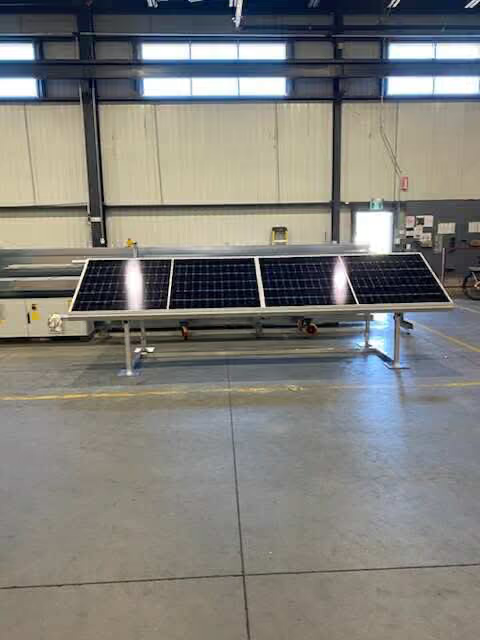
Educational Solar Tree
What is a solar panel?
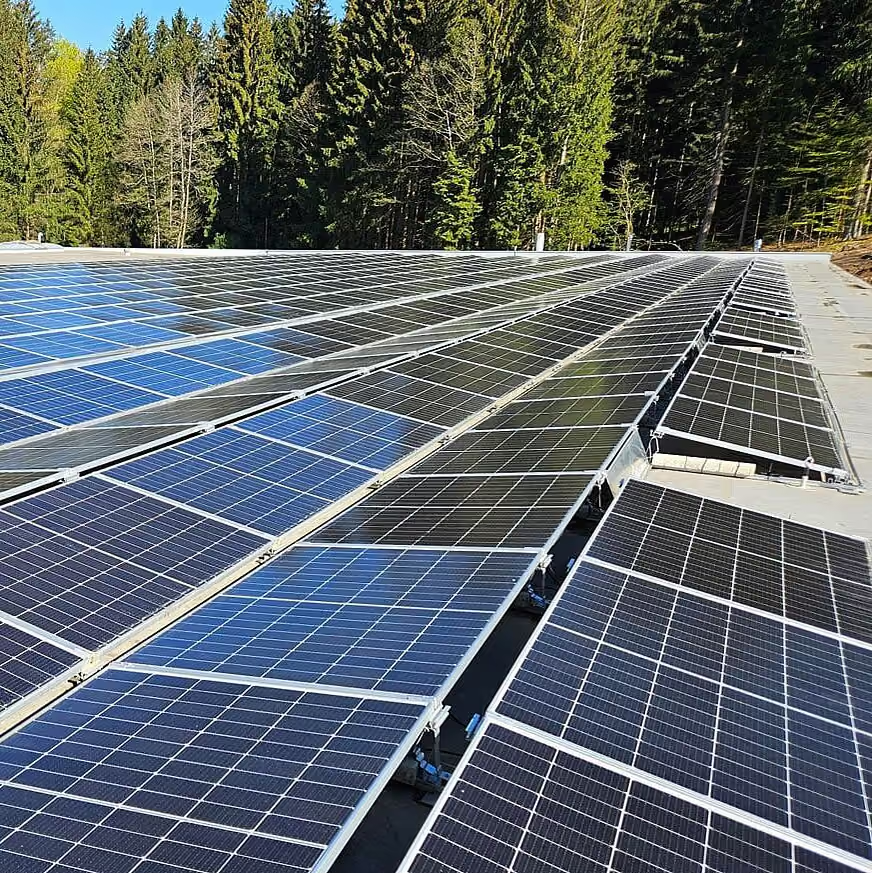
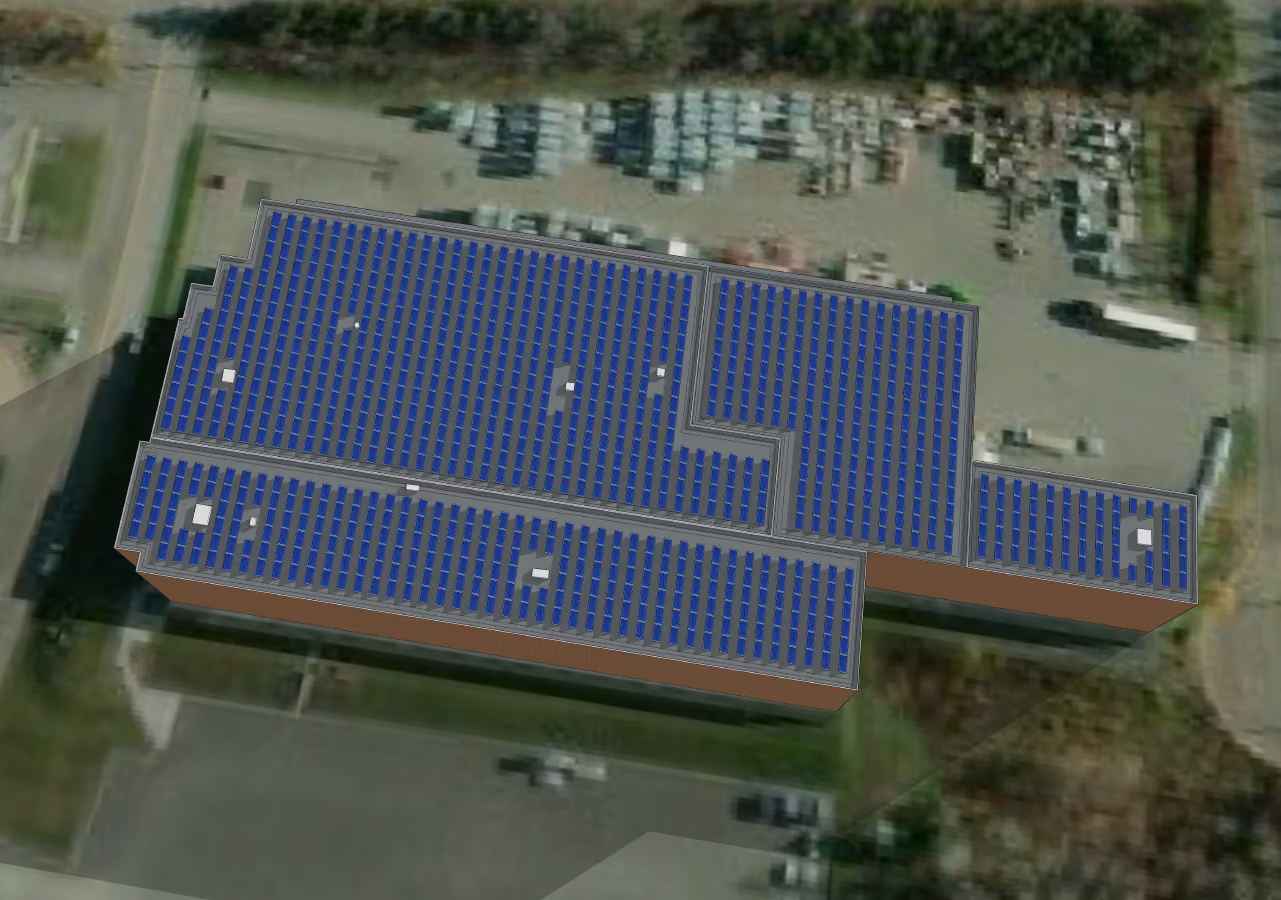
Solar panels have gained popularity in recent years, as many people recognize the need to switch to renewable energy sources to combat climate change. Solar panels provide a clean, sustainable energy source that can help reduce our carbon footprint and our reliance on fossil fuels.
How do solar panels work?
Solar panels work by converting sunlight into electricity using photovoltaic cells. These cells absorb photons from the sun, which releases electrons and creates a flow of electricity. This current, initially direct current (DC), is converted into alternating current (AC) using an inverter. Using solar panels to generate electricity offers many benefits. One of the most significant is that solar energy is a clean, renewable source that produces no greenhouse gas emissions or air pollution. Solar panels can also help reduce our dependence on fossil fuels, which are finite resources that will eventually run out.
"Switching to solar energy is no longer just an option; it is now an absolute necessity if we are to tackle climate change and protect our planet for future generations." - Christiana Figueres
Benefits of solar panels
Using solar panels to generate electricity has many advantages. One of the main ones is that solar energy is a renewable and sustainable source. Unlike fossil fuels, which are finite resources, sunlight is abundant and inexhaustible. Solar energy is also a clean energy source that generates no greenhouse gas emissions or air pollution, which helps reduce our carbon footprint and protect the environment.
Another advantage of solar panels is that they help reduce our reliance on fossil fuels. By producing our own electricity from solar energy, we decrease our dependence on power plants that burn fossil fuels to generate energy.
In addition to the environmental benefits, solar panels can also lead to savings on electricity bills. Although the initial installation cost can be high, the savings on electricity bills eventually offset this investment. Furthermore, many governments and utility companies offer incentives and rebates for installing solar panels, which helps reduce costs.
In conclusion, solar panels offer a clean, sustainable, and cost-effective energy source. As the world becomes increasingly aware of the need to reduce our carbon footprint and mitigate the effects of climate change, the demand for renewable energy sources like solar panels will continue to grow. By switching to solar energy, we can protect our planet for future generations and fight climate change.
.webp)

.png)